Liquid Supplement Sachets and Stick Packs Explained
4 November 2026 · Read time: Around 6 minutes
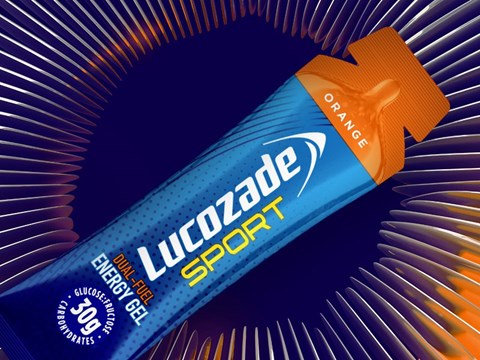
A request for liquid supplement sachets can mean several different things. You might have a slim pack in mind, a particular opening or a serving that customers can take straight from the pack. Those details matter when you start discussing a product with a manufacturer.
For a brand developing a liquid supplement, the useful starting point is what goes inside the pack and how someone will use it. The names sachet, stick pack and Tear Top Tube help describe the options, but you also need to agree the format, fill volume and finished presentation.
What sachets and stick packs mean for liquid supplements
Sachet is often used as a general description for a small, sealed flexible pack. Stick pack usually describes a narrow, elongated pack containing a single serving. In an initial conversation, either term can help explain the type of product you have in mind. Neither gives a manufacturer a complete specification.
| Term | What it tells you | What to confirm |
|---|---|---|
| Liquid sachet | A broad description of a small flexible liquid pack. | The construction, dimensions and opening. |
| Liquid stick pack | Usually a narrow, elongated single serving pack. | How it dispenses and whether it suits the formulation. |
| Tear Top Tube | The format used by Unette’s nutrition business. | The size and design suitable for your product. |
At Unette, our nutrition products are filled into Tear Top Tubes. These have a top that tears open and a directional nozzle through which the contents are dispensed. Our nutrition service focuses on liquids and gels in this format, so an enquiry about a liquid stick pack may lead to a discussion about a Tear Top Tube.
A photograph or physical sample is useful if you already have a shape in mind. Explain what you like about it: perhaps it fits into a small carton, or the opening looks comfortable to use. That gives the manufacturer something specific to assess. Ask to see a relevant sample before settling on dimensions, and check the construction rather than assuming that two packs described as sachets will be identical.
Match the pack to the liquid and the serving
Start with the amount of product you want each pack to contain. Keep that fill volume separate from the amount of each nutrient in the formulation and the recommended daily intake. A pack holding a particular volume does not, by itself, establish how much of a nutrient the customer receives or how many packs they should take.
Next, consider viscosity: how readily the product flows. A thin liquid and a thick gel need to be assessed with their intended pack. Share the formulation details available, including any suspended particles, and ask whether the product can be filled and dispensed successfully. A description such as “liquid collagen” or “energy gel” is a starting point, rather than enough information to confirm suitability.
For example, imagine a pourable liquid and a thicker gel with the same proposed fill volume. When reviewing samples, you would want to check whether the liquid pours out too quickly and whether the gel needs too much pressure to dispense. These are questions to investigate with the actual product. They cannot be answered from the volume alone.
The setting in which someone uses the pack matters too. For sports nutrition gels, consider how a customer will carry, open and empty the pack during their activity. For a supplement taken at home, check how clearly the opening and serving instructions can be understood. Ask someone unfamiliar with the design to try a suitable sample and explain any difficulty they encounter.
Discuss storage and shelf life at this stage. Explain the conditions the product is expected to encounter, and ask what compatibility and stability work is needed for the proposed formulation and packaging. A shelf life should be supported by appropriate evidence for the finished product; it cannot be chosen simply because another supplement uses a similar pack.
Check the artwork and the finished retail pack
Agree the pack size before completing the artwork. At Unette, we supply templates and guidelines once a suitable tube size has been identified, then arrange a print ready proof for approval. This helps you check how the design will work when the flat artwork becomes a tube.
Review text at its intended printed size. Check whether opening instructions are easy to find, where batch and date information will sit, and how the branding appears on the formed pack. If several flavours share a design, make sure customers can distinguish them without searching through small print.
The Absolute Collagen packaging project shows why the carton deserves attention alongside the tube. As the product was expected to reach customers by post, we developed a carton layout to fit the Royal Mail Standard Large Letter dimensions used for that project. Tube artwork and carton finishes were also considered together, with samples and trial packs informing the final design. For your own product, confirm the number of tubes, overall dimensions and delivery requirements before approving the outer packaging.
Leave enough room for the information required for your product and sales market. For products classified as food supplements, the official food supplement guidance covers requirements including ingredients, highlighted allergens, daily intake instructions and warnings. Have the proposed labelling checked before printing, including which information belongs on the individual pack and the carton. A sports gel’s classification also needs to be established; its packaging shape does not determine the rules that apply.
Material choice needs the same care. Most of Unette’s laminate tubes are not widely recycled; other options depend on the protection the product needs. Ask about the material proposed for your formulation and agree accurate disposal wording for that specific pack.
Prepare a useful enquiry for your liquid supplement pack
You do not need to have every detail settled before speaking to a liquid supplement manufacturer. It does help to separate decisions already made from areas where you need advice. If your formulation is still being developed, say so. If the recipe is fixed and you need filling and packing support, make that clear.
For an initial enquiry, pull together:
- The product type, formulation stage and any known ingredient or allergen constraints.
- The intended serving, proposed fill volume and how the customer will use the pack.
- The initial quantity, number of flavours or variants and likely repeat demand.
- The sales market, target launch date and required storage conditions.
- The artwork status, number of units per retail carton and delivery or display requirements.
Be clear about what the quantity means. An order for 20,000 individual tubes is different from an order for 20,000 retail cartons containing several tubes each. Where you have multiple variants, break the proposed quantity down by flavour or formulation so the enquiry can be assessed properly.
Unette’s work on private label liquid supplements can include formulation, manufacturing and packaging. Explain which parts you need help with so the scope is agreed early. Order quantities, suitability and timings need to be discussed for the individual project. When planning a launch, allow for development, artwork approval and packaging decisions as well as production.
To discuss your liquid supplement packaging, send us an outline of your product, proposed fill volume and expected quantity. Include a reference pack if you have one, and we can discuss suitability and relevant samples with you.